
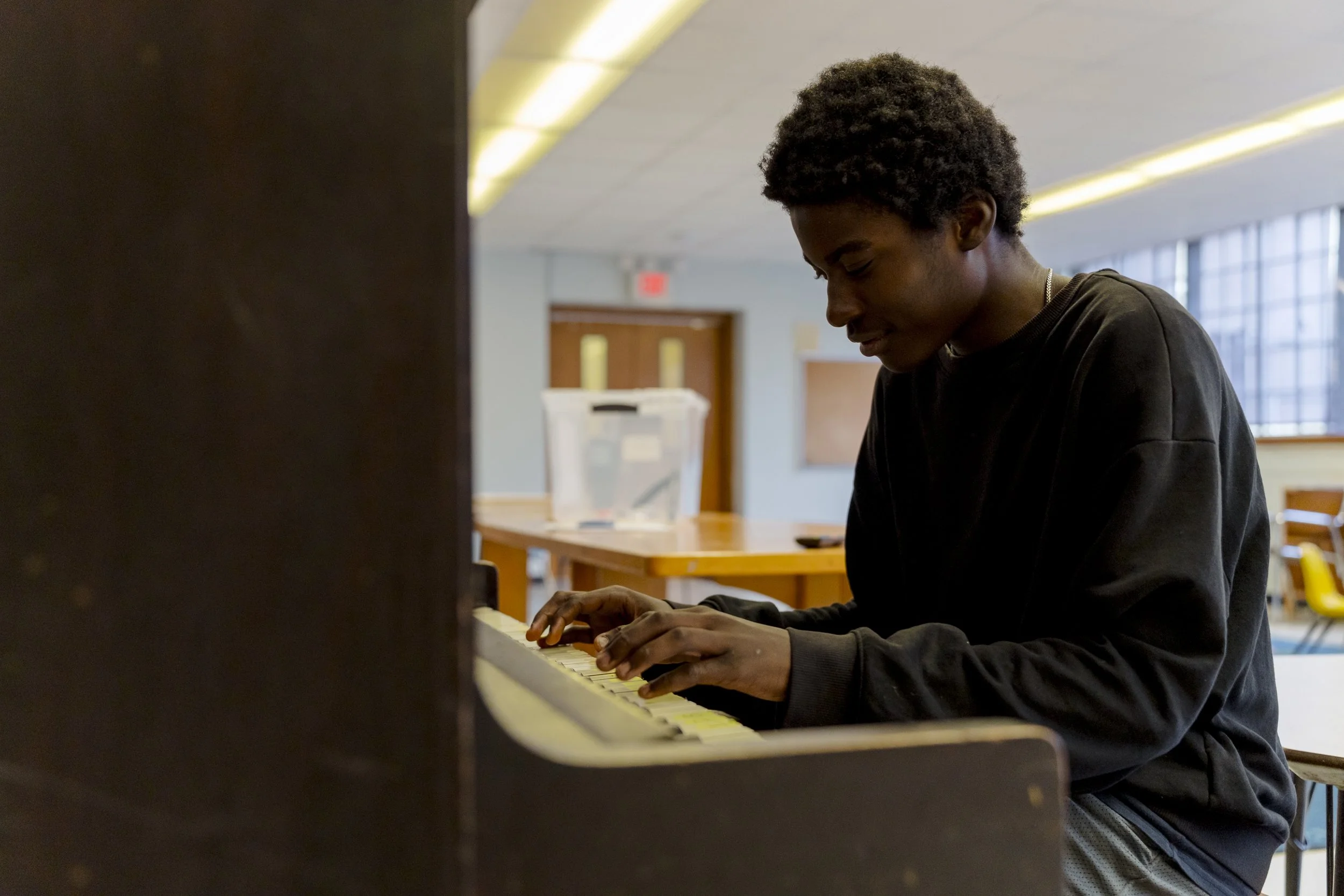
What does a typical day look like at Tallgrass? The real answer is that every student’s day is different, but we know that’s not very helpful! So here’s a rough picture.
Students arrive between 9:00 and 10:30 a.m. When they arrive, they sign in, both to show that they’ve met the school’s attendance requirement and so that staff know they are there. Since students move around our space freely, this helps us see who’s here at a glance.
On the white board or the school calendar, they can check to see what’s going on that day and if they’re needed for RC (our disciplinary system).
Mornings at Tallgrass sometimes start quietly as students arrive and settle into their days. At almost any time of day, you can walk into the art room and find a free-flowing conversation going on, one that anyone is welcome to join and that can cover almost any topic. In the activity room, you’ll often find people engaged in pursuits like building with Lego, making forts, or gymnastics.
By 11, all the students have arrived and things are in full swing. If there are any RC complaints, RC meets at 11, with many students involved either as clerks, jury members, or as people involved in a complaint. School Meeting also takes place at 11, with a mandatory announcements meeting on Mondays and a longer decision-making meeting on Wednesdays.
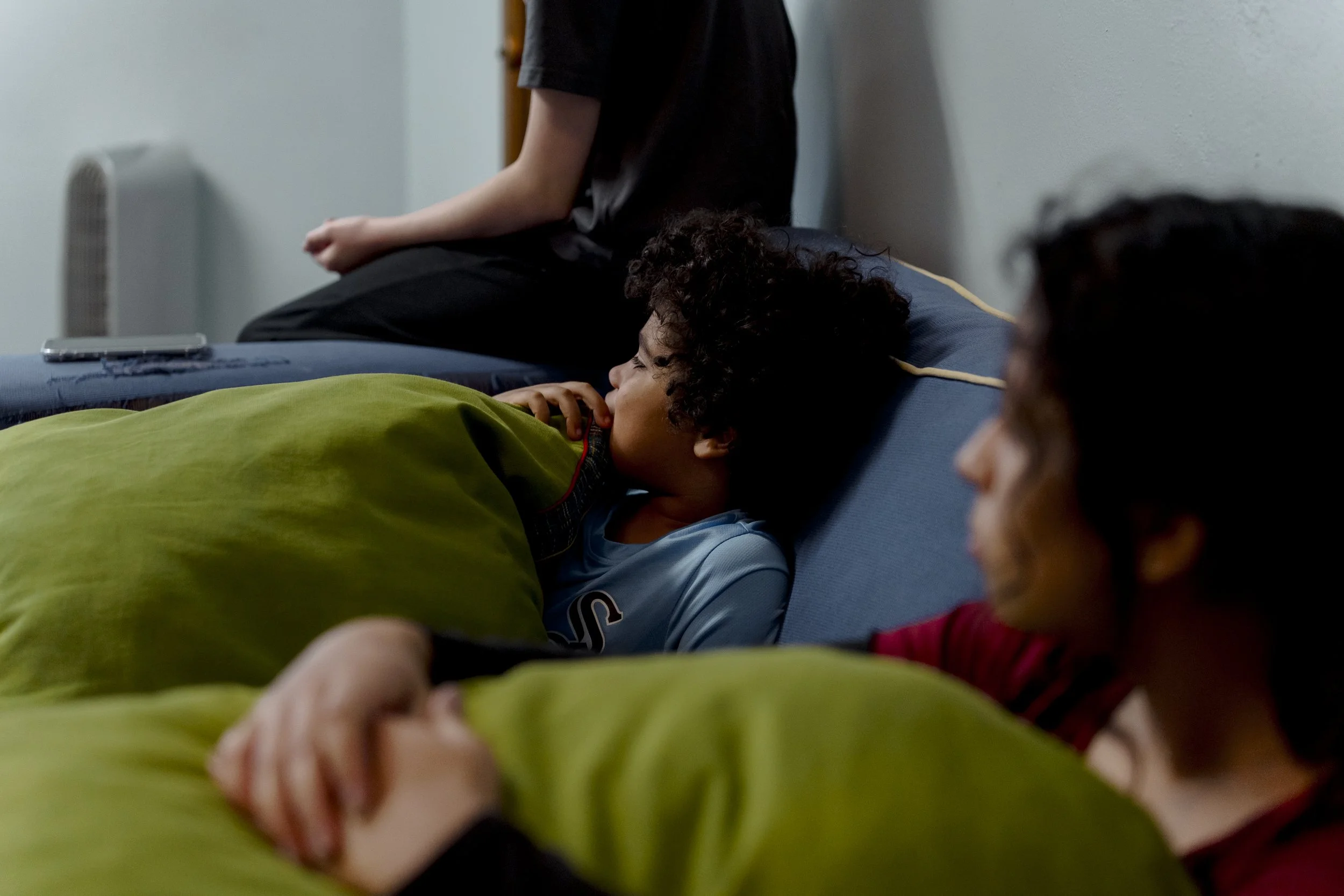
After RC, some students might go off campus to locations like the grocery store, the library, parks, or the gym. Students can get certified to go off campus alone, or with staff members or friends. When the weather is nice (good snow counts as nice), certified students may be gone for long periods in the forest or at the sledding hill, after signing out on a sheet that records where they are going and when they’ll be back.
Students eat when they like. There’s usually a rush around midday, but you’ll also find students eating much earlier and much later--as long as they eat in designated rooms and clean up after themselves.
Our school doesn’t divide students up by age, but you’ll usually find a “teen group” and other groups that roughly align with age or interests. There’s a lot of fluidity and a lot of overlap, especially since our school is small (about 30 students). You may see younger students spending more time with older teens as they mature, a jock realizing he likes spending time with the computer room kids, or a teen suddenly getting pulled into the little kids’ activities when they get interested in a playset she used to like.
Since students can spend their time how they like, it’s hard to generalize about what they do. Here’s are some common activities you might see around school:
Talking (especially teens)
Playing (especially younger kids)
Making videos and art
Playing video games (especially Minecraft and Roblox)
Making forts and other structures
Showing someone something you just found on the Internet
Arguing (conflict resolution takes a lot of practice!)
Classes or other academic activities
Activities can change quickly throughout the day. Small arguments and mishaps are common, but serious problems are rare, and RC handles them well when they do happen.
By 2:30, a few students start to leave. 2:30 is also chore time for anyone who has a chore that day. Students leave by 4:00, sometimes gently pushed out the doors by staff members enforcing the rule that you must leave when your ride gets here!
